In areas prone to earthquakes, such as California, the threat of a seismic event is always present. To protect buildings and infrastructure from the destructive forces of an earthquake, engineers and architects utilize various methods to reinforce structures and prevent catastrophic damage. One of the most effective tools in their toolbox is the seismic brace.
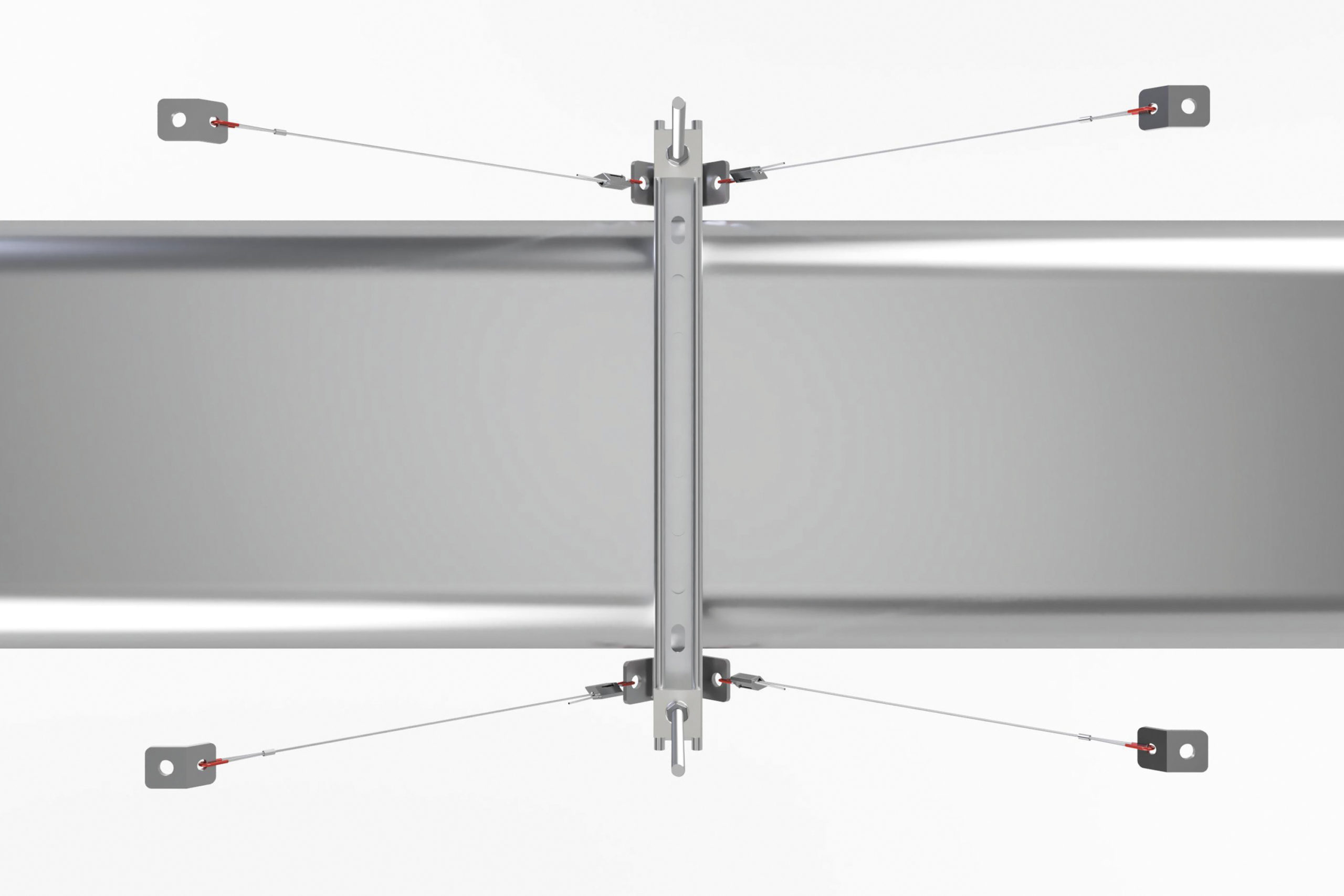
A seismic brace is a structural element designed to resist lateral forces, such as those generated during an earthquake. These braces are typically made of steel or other high-strength materials and are installed within a building to provide additional strength and stability. By adding seismic braces to a structure, engineers can help prevent collapse and reduce the risk of injury or death in the event of a seismic event.
There are several types of seismic braces that can be used to reinforce a building. The most common type is the diagonal brace, which is installed diagonally between the floors and walls of a structure. These braces help distribute the lateral forces of an earthquake and prevent the building from swaying or collapsing. Another type of seismic brace is the eccentric brace, which is installed off-center to provide additional stiffness and resistance to lateral forces.
In addition to diagonal and eccentric braces, engineers may also use X-braces, shear walls, moment frames, and other types of seismic bracing systems to reinforce a building. Each type of brace has its own unique advantages and applications, depending on the specific needs and characteristics of the structure being reinforced.
When designing a seismic bracing system, engineers must consider a variety of factors, including the size and location of the building, the expected level of seismic activity in the area, and the desired level of protection. By conducting thorough seismic analysis and modeling, engineers can determine the most effective bracing system for a particular structure and ensure that it meets all local building codes and regulations.
One of the key benefits of seismic bracing is its ability to prevent progressive collapse. In the event of an earthquake, buildings without adequate bracing can suffer structural damage that leads to a cascading failure of the entire structure. By installing seismic braces, engineers can help prevent this type of catastrophic collapse and ensure the safety of building occupants.
In addition to preventing collapse, seismic bracing can also help reduce damage to a structure and its contents. By absorbing and dissipating the energy of an earthquake, seismic braces can minimize the impact of lateral forces on a building and its components. This can help reduce repair costs and downtime following a seismic event, as well as minimize disruptions to business operations or daily life.
While seismic bracing is an effective tool for strengthening structures, it is important to recognize that no building can be completely earthquake-proof. Even with the most advanced bracing systems in place, there is always a risk of damage and collapse during a severe seismic event. However, by incorporating seismic braces into the design and construction of buildings, engineers can significantly reduce the risk of catastrophic failure and increase the overall safety and resilience of structures in earthquake-prone areas.
In conclusion, seismic bracing is a critical component of earthquake-resistant design and construction. By adding braces to a structure, engineers can enhance its strength and stability, reduce the risk of collapse, and protect occupants and contents in the event of an earthquake. While no building can be completely immune to the forces of nature, seismic bracing can help minimize damage and ensure the safety and longevity of structures in seismic zones.